‘Nothing about us, without us’: Recentering youth perspectives and agency in youth program design frameworks
The Problem:
The East Scarborough community is considered to be high priority with higher rates of violence and a higher population of residents who are low income. Youth services and programming are typically designed and developed by adults. As a result, youth can feel disconnected and disengaged with the services available to them which can lead to decreased participation and retention while increasing maladaptive behavior and interactions with police.
Solution:
Myself and a youth advocacy group (the Association of Committed and Engaged Youth), set out to develop a framework for new programming approaches that centered youth perspectives, needs and interests using the Service Design process of exploration, creation, reflection, and implementation. After two years of creation and implementation we were able to put together our findings and recommendations into a report that was shared with staff and stakeholders for implementation.
My Role:
I led a team of youth, community stakeholders and staff through a series of co-creative design workshops and prototypes to surface pain points and iterate on creative novel approaches to youth-led program design.
Creation:
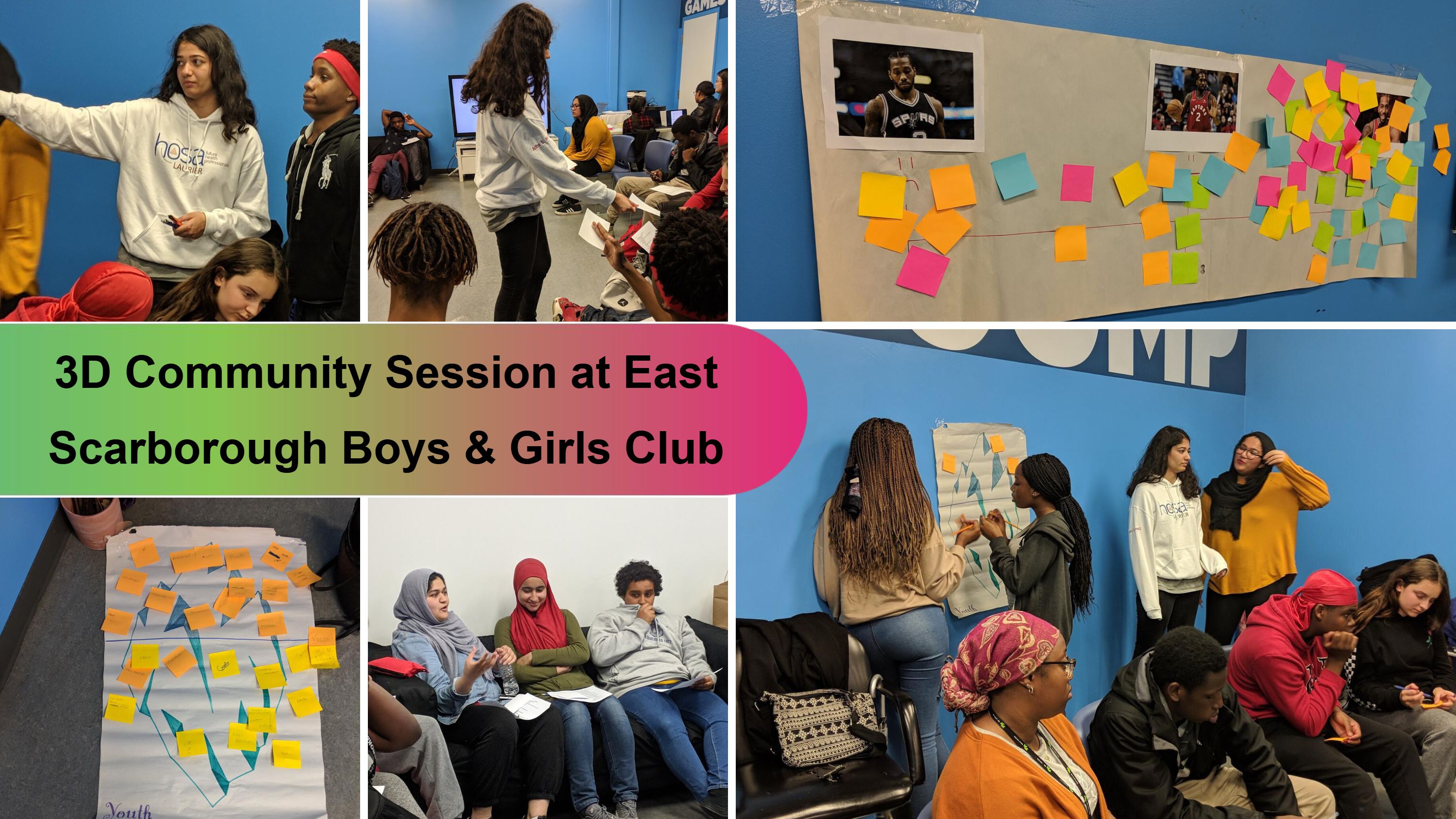
We needed to gain a better understanding of why youth feel disconnected from typical youth programming and services. However, instead of the usual approach of adults designing and asking the questions, I worked with the youth to develop questions for focus groups and surveys so that the user research would be conducted by the youth themselves. We went with this approach with the idea that increasing the level of relatability to the interviewers could improve the level of candor in interviewee responses. Whenever we could, data collection took place during co-creative sessions facilitated by the youth. In the scenario where a co-creative session could not be arranged, youth conducted surveys with students during school lunch hours. The research covered self-identity, media representation of youth, supports, and mental health resources. Demographic information was also collected.
Insights:
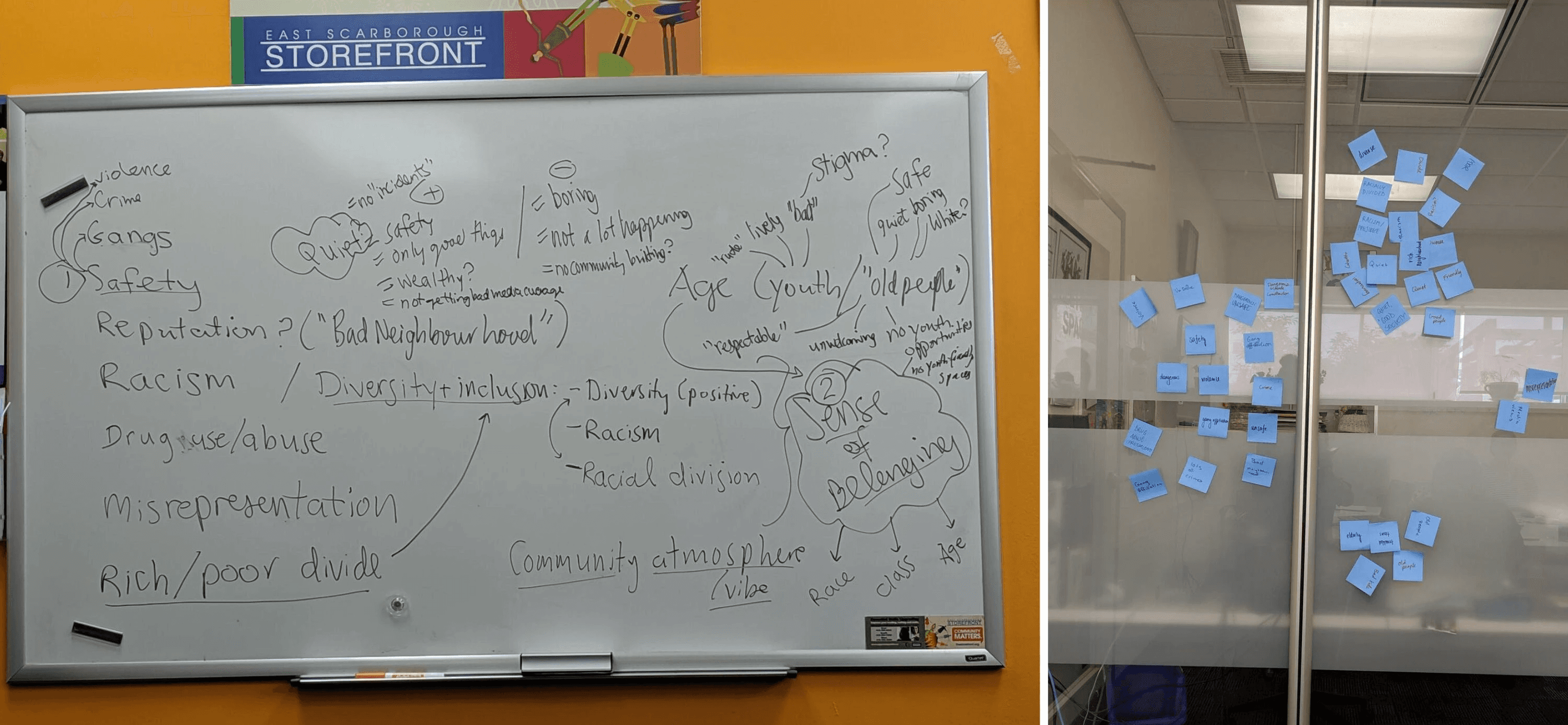
Youth strongly identify with their hobbies, personal interests, personality traits, and values: potentially more so than demographic characteristics such as race or age. Leveraging these hobbies and interests could help with attracting and retaining youth in programming.
When youth have the ability to represent their perspectives and experiences through media, they can counter the negative stereotypes and perceptions that they internalize from dominant media narratives.
Increased communication and integration between youth supports offered within schools and the wider community would increase the level of accessibility, accommodation and peer-led options for youth.
Mental health resources can only be effective if youth are both aware of their existence and are willing to use them. As mentioned in previous insights, increasing the level of integration that community mental health resources have with schools would increase awareness with youth, while leveraging their personal interests would increase participation.
Reflection:
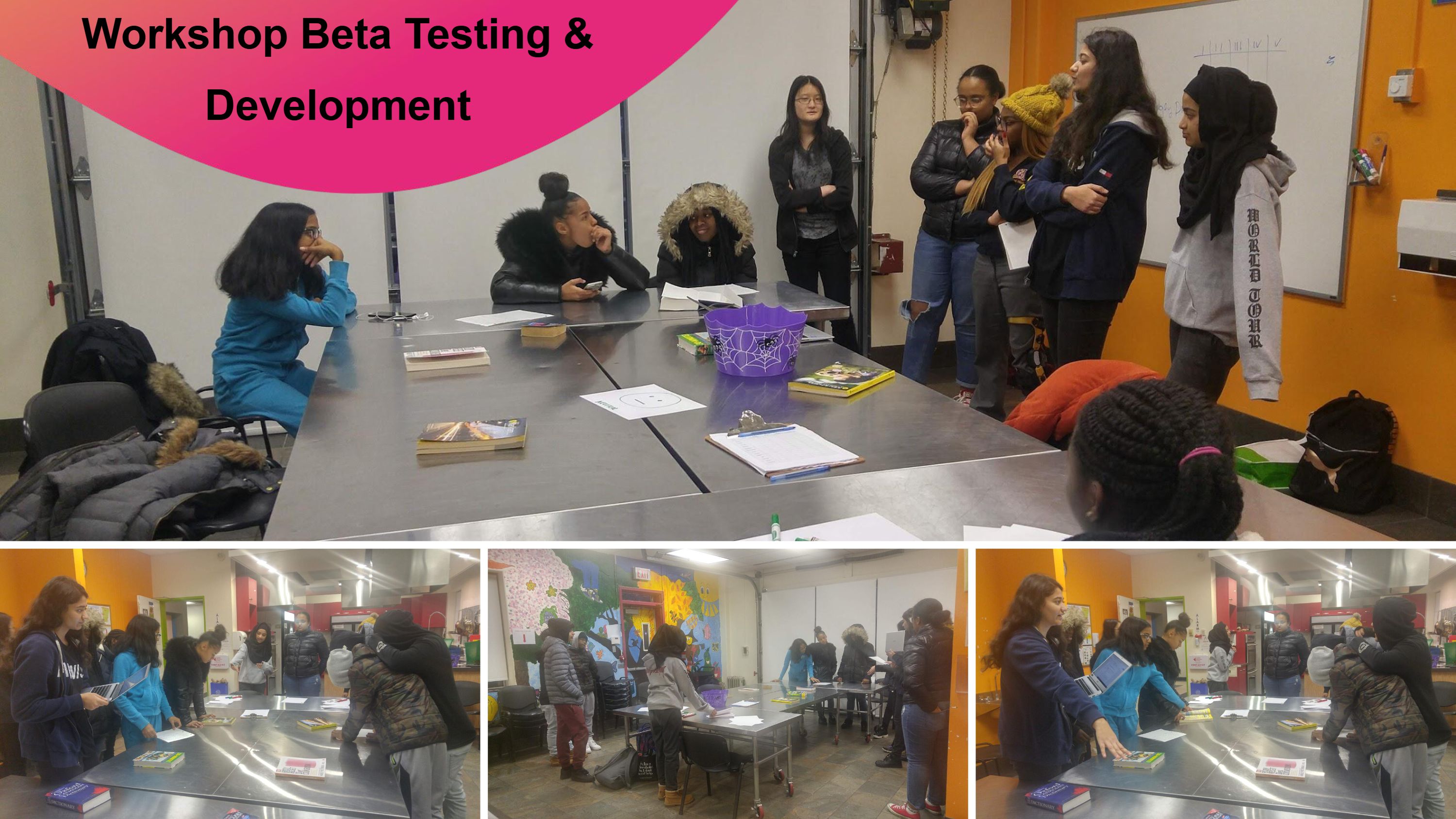
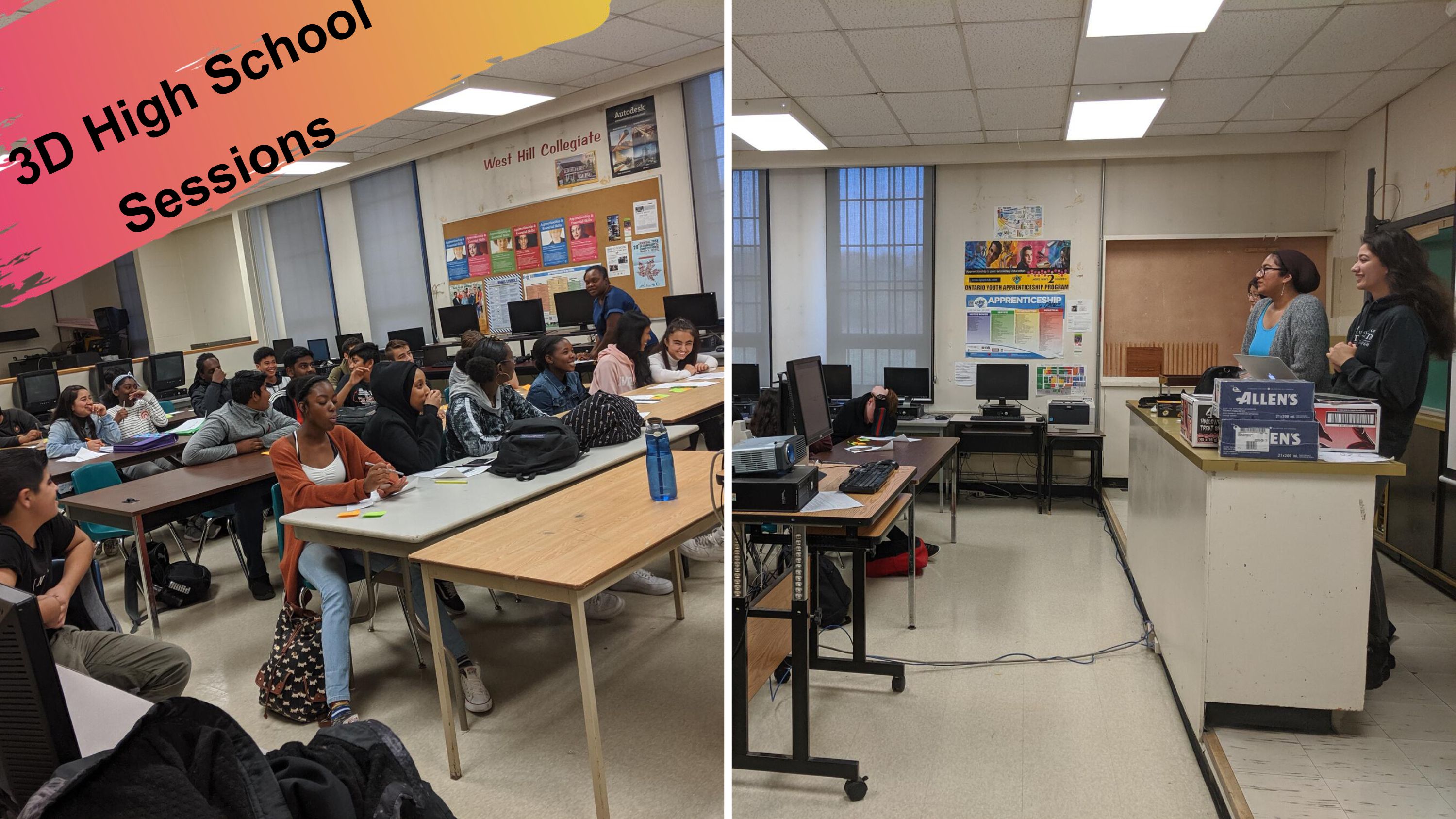
The co-creative sessions also served as opportunities to prototype the youth-centered approach as we gathered insights in real time. Adults did not actively participate in the workshops, they either observed or assisted where necessary. The research questions were designed and administered by youth ensuring that youth perspectives and experiences were centered. Youth facilitators leveraged the hobbies, interests, and personality traits during workshop activities to encourage more in depth and productive discussions. At every co-creative session, youth were given a presentation on some of the youth supports and mental health resources in the community available to them. They were also provided with a more exhaustive list to take home with the intention of increasing their awareness and willingness to utilize them. We were unable to work on increasing the level of communication and integration of wider reaching community support and resources in schools due to time constraints and COVID-19 lockdown measures.
The insights gathered from the co-creative sessions resulted in a rich report that was shared with stakeholders, funders, youth, and Storefront staff. We received positive feedback on the sessions from all the players including teachers and youth workers. The youth facilitators gained a lot of confidence and essential data to back up their youth-advocacy work. In fact, the report was instrumental to both the East Scarborough Storefront (ESS) and the Association of Committed and Engaged Youth (ACEY) during the Ontario lockdown measures that began on March 17, 2020.
Implementation:
While most youth serving institutions and organizations either completely shut down operations or had challenges transitioning to online, ESS with the support of ACEY was able to quickly pivot youth programming from in person to digital. Knowing that youth were already gathering on platforms like Discord, ACEY leveraged their interests in gaming, art, and media to create a digital space in place of a physical one. The online sessions were hosted by youth facilitators from ACEY instead of adults to ensure youth perspectives and experiences were represented. The purpose of these sessions were to support youth mental health during lockdown so each session included resources and activities from local community organizations and supports. Without established integrations and communication with wider community organizations, we were unable to implement the framework in schools as they transitioned to online. All of the sessions were well attended with highly active participants.
What I learned:
A youth centered framework can mitigate against service disruptions due to crises such as pandemics. The approach allows for the ability to adapt to rapidly changing contexts where youth may not be able to gather together in person to access services.
Stronger relationships between youth serving institutions and community wide resources/services are necessary for youth to be aware of and access resources and services but establishing and maintaining these relationships requires additional time, funding and buy-in from all players involved.